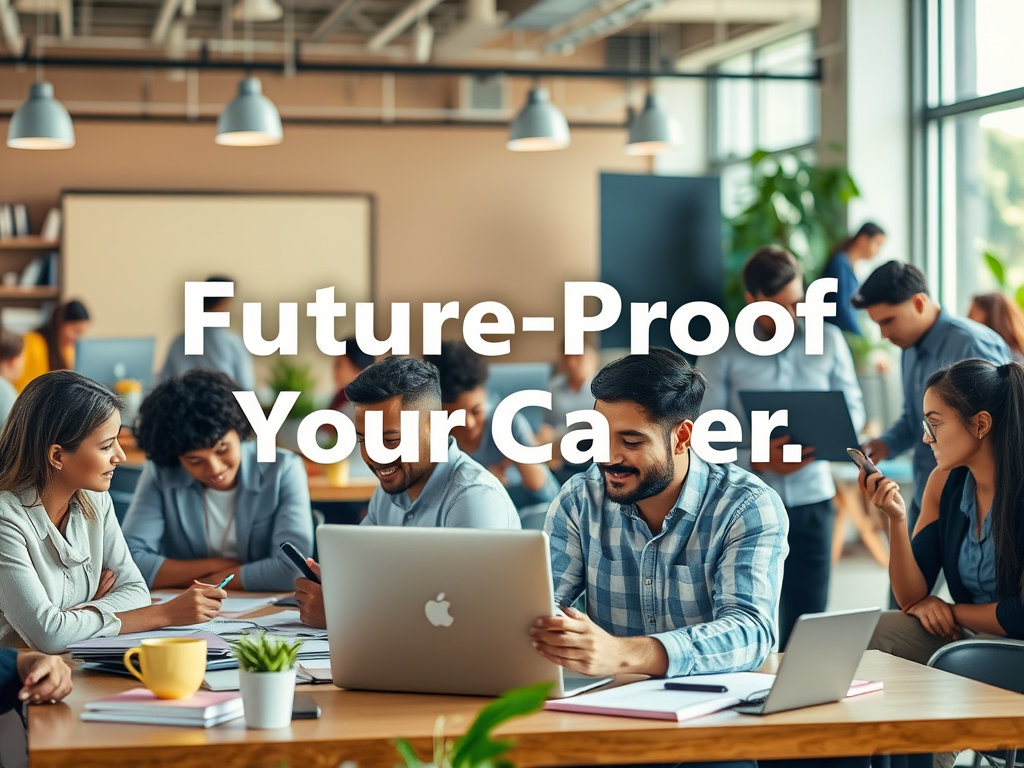
The world is evolving faster than ever. New technologies, changing job roles, and shifting industry demands make it increasingly difficult to stay relevant. Nearly 50% of all employees will need reskilling by 2025. This is based on the World Economic Forum’s Future of Jobs Report 2023. This is because automation and AI reshape the workforce. Yet, many professionals struggle to keep up due to time constraints, lack of direction, or outdated learning approaches.
The traditional “learn once, work forever” mindset is no longer sustainable.
Today, the most successful individuals are lifelong learners. They continuously acquire new skills. They adapt to change and integrate learning into their daily lives. Studies show that companies investing in employee learning see a 24% increase in productivity (Association for Talent Development). On an individual level, professionals who dedicate time to upskilling earn 25% more on average. These professionals earn more compared to those who don’t (LinkedIn Learning 2023).
But how can you make continuous learning a habit without feeling overwhelmed? The answer lies in smart, structured learning strategies that fit seamlessly into your daily routine.
In this article, we’ll explore practical ways to integrate continuous learning into your busy life. We will look at the best tools to use. You will also see how upskilling can drive long-term career growth and productivity.
Why Continuous Learning Matters Across Job Roles
In today’s fast-changing world, no job is immune to disruption.
You might be a software engineer, a marketing professional, or even a doctor. The skills that got you hired today may not be enough to keep you competitive tomorrow.
Consider the case of Kodak, a once-dominant photography company. Despite having some of the earliest digital camera patents, Kodak failed to adapt. It did not upskill its workforce for the digital age. This failure eventually led to bankruptcy in 2012. On the other hand, companies like Amazon and Google have thrived. They encourage employees to continuously learn. They also promote innovation and adaptation to new technologies.
This need for continuous learning isn’t just for tech-driven roles. Let’s look at how different professions are evolving:
Software Engineers
New programming languages, AI-driven automation, and cloud computing require constant upskilling. A developer or tester only knew Java a decade ago. Without learning Python, machine learning, or cloud-based services, they might struggle in today’s job market.
Marketing Professionals
With AI-driven analytics, SEO updates, and social media trends changing too fast, a marketer who doesn’t adapt will fall behind. In fact, HubSpot reports that 75% of marketing professionals need to learn new tools every year to stay relevant.
Healthcare Professionals
Doctors and nurses must keep up with new medical advancements, AI-assisted diagnostics, and telemedicine. During the COVID-19 pandemic, many healthcare professionals had to rapidly learn to use telehealth platforms. This was necessary to continue treating patients remotely.
Finance Experts
The rise of cryptocurrency, blockchain, and AI-powered financial analysis is transforming the financial landscape. Traditional finance professionals need to constantly update their knowledge. This is essential to remain competitive.
Teachers & Educators
The shift to online learning, AI-powered tutoring, and digital classrooms means a change for educators. They must adapt to new teaching tools. This is necessary to engage students effectively.
A Real-World Example: The AI Transformation in Jobs
In 2023, a financial analyst named Arjun from Mumbai found himself struggling at work. His company started using AI-driven analytics for investment strategies, making traditional financial modeling techniques less relevant. He decided to embrace the change. He enrolled in a short online course on AI in Finance. He dedicated an hour daily to upskilling. Within six months, he mastered AI-driven data analysis and was promoted to lead the company’s AI-powered trading division.
Arjun’s story highlights an important truth—jobs are evolving. Those who embrace continuous learning will stay ahead. Conversely, those who resist may find themselves obsolete.
In the next section, let’s explore how you can build a habit of continuous learning without feeling overwhelmed.
How to Integrate Continuous Learning into Your Daily Routine
Knowing that upskilling is essential is one thing—actually making it part of your daily routine is another. Many working professionals struggle to find time for learning amid deadlines, meetings, and personal responsibilities. However, by using the right strategies, continuous learning can become effortless and rewarding. Here’s how professionals across different fields can integrate learning into their daily lives:
1. Software Engineers: Stay Ahead with Micro-Learning
Why it matters: Technology evolves rapidly—new frameworks, AI-driven coding tools, and cloud computing are reshaping software development.
How to integrate learning:
✅ Spend 15–30 minutes daily exploring new coding trends on platforms like LeetCode, Udemy, or Coursera.
✅ Use YouTube or tech podcasts while commuting to stay updated on the latest technologies.
✅ Join developer communities like GitHub, Stack Overflow, or Reddit for real-world discussions.
✅ Take part in open-source projects—learning through practice is the fastest way to improve.
Real-world advantage: A Java developer who learns Python and AI automation can transition into machine learning or data science. This transition unlocks higher-paying job roles.
2. Marketing Professionals: Master Changing Trends
Why it matters: Digital marketing shifts fast. What worked last year may not work today. Algorithm updates, AI-generated content, and automation are responsible for this change.
How to integrate learning:
✅ Read industry newsletters (e.g., Neil Patel’s blog, HubSpot, or SEMrush updates) for 10 minutes every morning.
✅ Experiment with new tools like ChatGPT for content, MidJourney for visuals, or Jasper for AI copywriting.
✅ Take mini-courses on digital ads, SEO, or analytics to stay competitive.
✅ Network with LinkedIn professionals to gain insider insights on trends.
Real-world advantage: A social media manager who learns AI-powered analytics can significantly improve campaign performance. This leads to better engagement and higher ROI for businesses.
3. Finance Professionals: Embrace AI & FinTech
Why it matters: The rise of blockchain, AI-driven trading, and decentralized finance (DeFi) is transforming traditional finance roles.
How to integrate learning:
✅ Follow Bloomberg, Financial Times, and CoinDesk for 5-minute daily finance updates.
✅ Enroll in AI-driven financial modeling courses (e.g., AI in FinTech, Algorithmic Trading).
✅ Practice Python for data analysis to stay relevant in modern finance.
✅ Join fintech forums to track innovations like cryptocurrency, robo-advisors, and DeFi platforms.
Real-world advantage: A finance analyst who learns AI-powered trading models can move into quantitative finance, significantly boosting career growth.
4. Healthcare Professionals: Stay Updated on Medical Innovations
Why it matters: AI in diagnostics, robotic surgeries, and telemedicine are changing the way doctors and healthcare workers operate.
How to integrate learning:
✅ Dedicate 20 minutes per week to reading research on PubMed, JAMA, or NEJM.
✅ Attend webinars and online medical conferences to stay updated on treatments and medical AI.
✅ Use medical podcasts during commutes to absorb new insights.
✅ Take micro-courses in AI-driven healthcare technologies.
Real-world advantage: A general physician can learn about AI-based diagnostics. They can integrate predictive analytics to improve patient outcomes. This allows for making informed decisions faster.
5. Educators & Trainers: Adapt to Digital Learning Trends
Why it matters: The education landscape is shifting with AI tutoring, virtual reality classrooms, and online learning platforms.
How to integrate learning:
✅ Explore AI-powered teaching tools like Khan Academy’s AI Tutor.
✅ Join EdTech webinars and learn how AI is transforming online education.
✅ Build interactive learning content using platforms like Canva, Quizlet, or Google Classroom.
✅ Follow education-focused blogs and podcasts for quick updates.
Real-world advantage: A teacher who learns AI-based adaptive learning tools can personalize lessons for students. This makes education more engaging. It also makes education more effective.
Final Thoughts: The Compound Effect of Learning
The biggest mistake professionals make is thinking they need hours of study to stay relevant. In reality, small, consistent efforts compound over time.
✅ 5–10 minutes of reading per day = 30+ hours of learning per year
✅ 1 podcast per commute = 250+ new ideas in a year
✅ 1 online course per quarter = 4 new skills per year
By making learning a habit, you future-proof your career, increase earning potential, and stay ahead of industry trends.
Further read: The Problem with One-Size-Fits-All Learning: Why Personalized Learning is the Future
In the next section, we’ll explore how to track progress, stay motivated, and turn learning into a lifelong habit!
About Mastrification
This space is dedicated to learning frameworks, personal growth, improvement, and productivity. I believe in lifelong learning and constantly seek wisdom from great minds, successful organizations, and insightful books. Here, I share practical strategies and proven frameworks. I offer simple yet powerful tips to help you grow. These insights help you improve and achieve your goals. My goal is to make learning actionable. I want it to be accessible, whether it’s mastering a new skill, enhancing productivity, or building better habits. Let’s grow, adapt, and evolve—one step at a time!”
Certifications Validates, Mastery Defines..





 Mastrification
Leave a comment